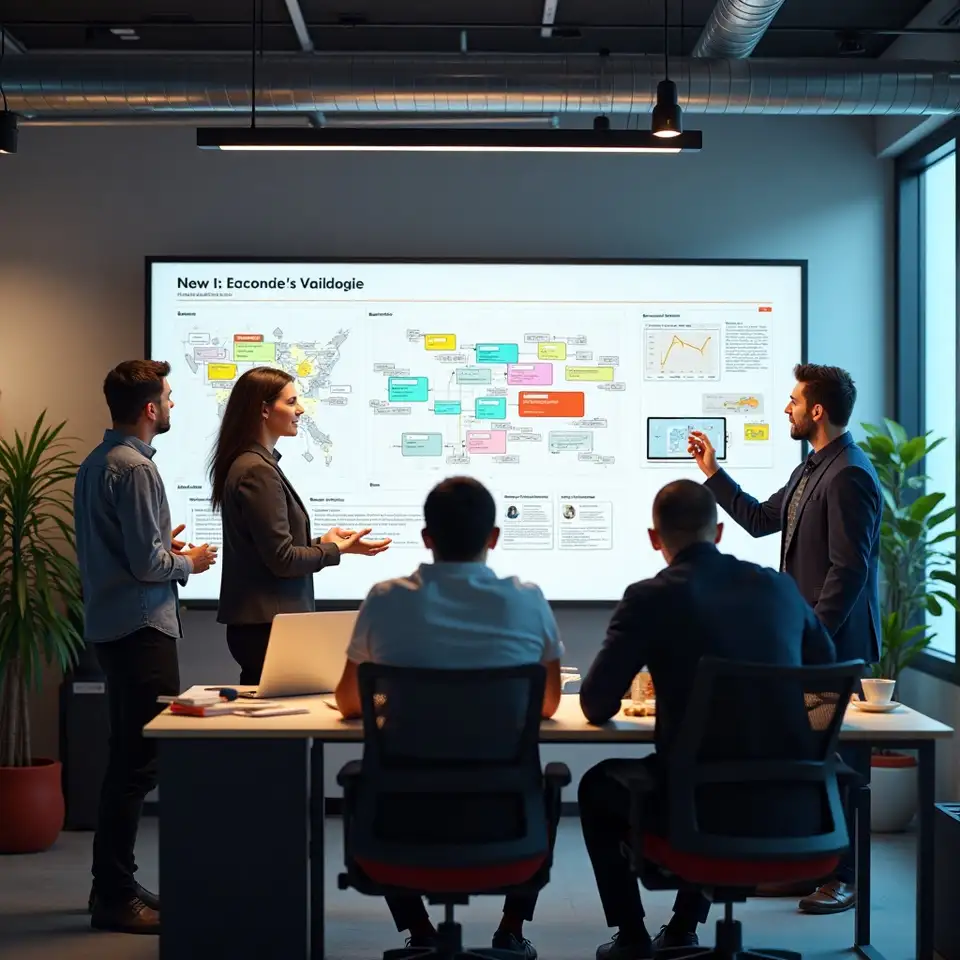
The team turning messy game economies into readable stories
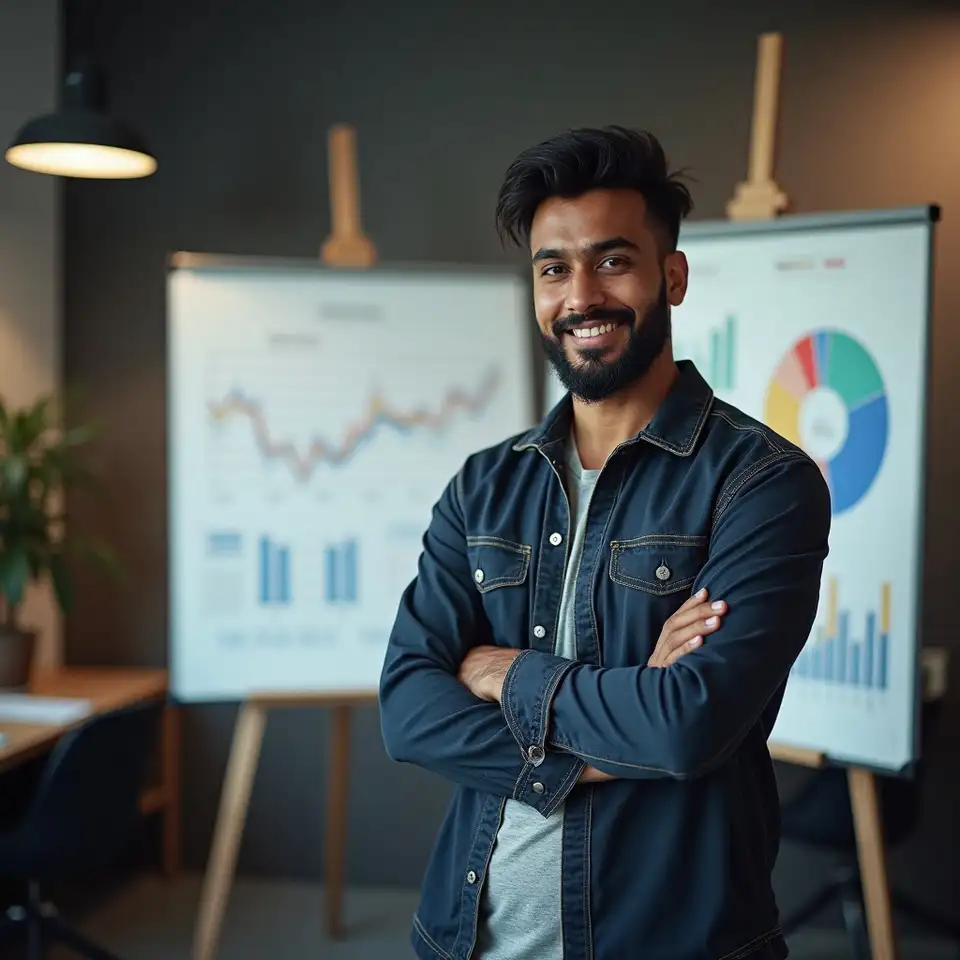





"Game economies used to be improvised spreadsheets; I treat them as living cities where every coin, cooldown, and crate shapes culture, not just revenue. I help teams replace guesswork with testable models, behavioural insight, and long-term player respect."
Players notice when an in-game shop feels like a maze, so I design pricing ladders, bundles, and rewards that are readable at a glance. Clear value communication and predictable earning paths reduce frustration, while still leaving room for surprise, collection goals, and premium moments for your most engaged players.
A launch spike is exciting, but a resilient economy survives balance passes, new content drops, and regional rollouts. I plan for change from day one, building tunable parameters, sandbox scenarios, and monitoring rituals so your team can keep the economy healthy without tearing it down every few months.
Game economies sit at the crossroads of design, analytics, and community, so I translate between them. I turn hard numbers into design stories, and player anecdotes into testable hypotheses, keeping everyone aligned on what the economy is doing and why it feels the way it does inside the game.
"Every spreadsheet from that period reads like a travel diary through game history."
Origins in dissecting classic game economies
Arsiodseordui began as a side project, a small collaboration between a designer fascinated by virtual currencies and an analyst eager to explore player spending behaviour in live titles. The early work focused on dissecting classic online games, mapping how simple sinks and sources created surprisingly durable communities.
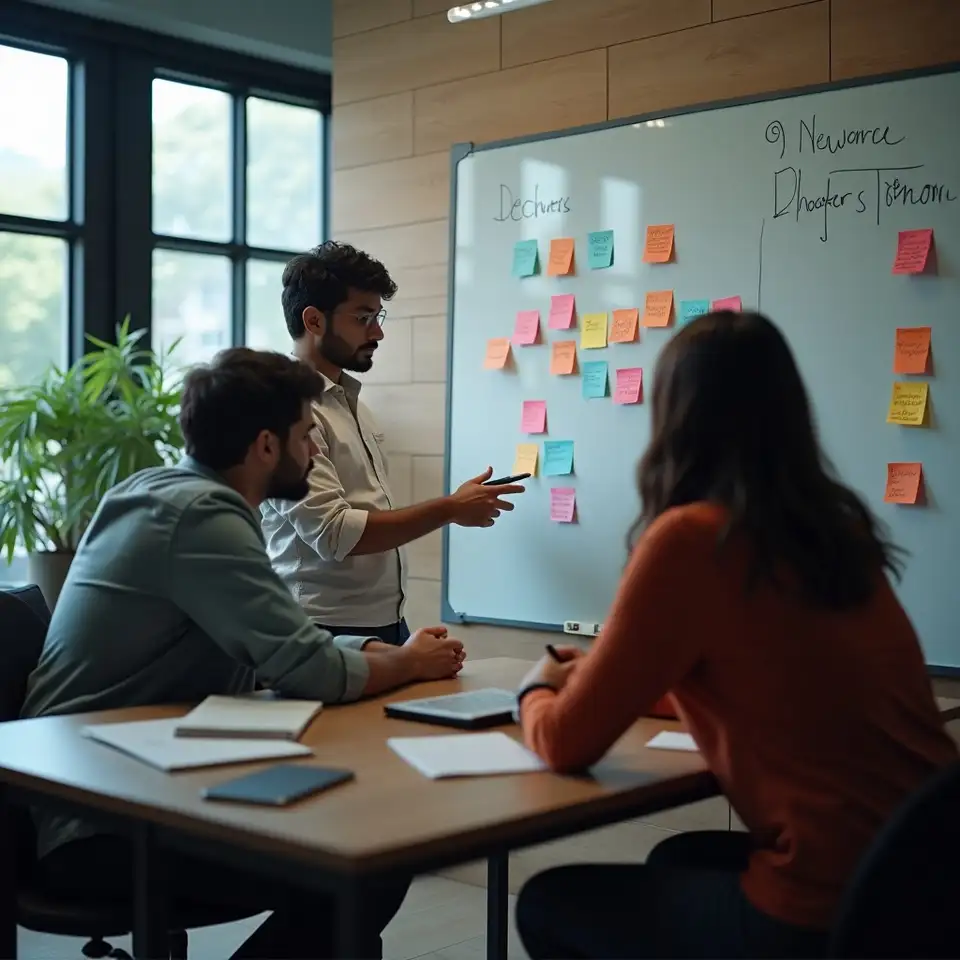
"We stopped treating each project as a one off and started building shared language."
Forming the dedicated economy studio
After several collaborations with local studios in India, the work formalised into a dedicated practice focused on mobile and cross platform experiences. The team expanded, adding specialists in monetization design and systems thinking, and began developing internal frameworks for assessing economy health at a glance.
"The question shifted from what is possible to what stays fair when scaled up."
As live service projects grew more ambitious, Arsiodseordui invested heavily in analytics pipelines, sandbox tools, and documentation standards. This phase saw close partnerships with studios experimenting with battle passes, rotating shops, and regional pricing, all while refining a methodology for respectful monetization.

"The most satisfying work now is helping teams avoid mistakes we have already seen."
By 2025, Arsiodseordui had become a go to partner for teams seeking a long term perspective on in-game economies. The focus turned toward sharing insights through talks, articles, and cross studio roundtables, helping the broader community navigate the shifting expectations around fairness, transparency, and player respect.